Diabetic Foot Care: Preventing Infection with Expert Guidance in North Idaho

For the millions of Americans living with diabetes, foot health is not merely a matter of comfort, it is a critical component of overall survival and quality of life. Preventing infections is the absolute cornerstone of effective diabetic foot care.
When you are managing chronic wounds, such as diabetic foot ulcers, within the comfort of your home, maintaining a sterile environment and adhering to a strict, evidence-based care regimen is essential. However, translating clinical instructions into daily home practice can be overwhelming.
North Idaho Wound Care bridges this gap. We bring professional clinical expertise and specialized wound care directly to your doorstep. By treating complex wounds at home, we not only provide convenience but also significantly reduce your exposure to resistant pathogens often found in traditional clinical settings, thereby lowering the risk of hospital-acquired infections.
Why Infection Prevention is Critical for Diabetics
Diabetes often causes two major complications that create a “perfect storm” for foot infections:
- Peripheral Neuropathy: Nerve damage that causes numbness in the feet. You may develop a cut, blister, or ulcer and not feel it, allowing the wound to worsen unnoticed.
- Peripheral Artery Disease (PAD): Poor circulation reduces the blood flow necessary for healing. Without adequate blood flow, the body cannot send immune cells to fight off bacteria effectively.
According to the American Podiatric Medical Association (APMA), a significant percentage of those who undergo amputation due to a diabetic foot ulcer pass away within five years. Preventing infection is the proactive way to prevent amputation.
Strategies for At-Home Infection Prevention
Successfully managing a diabetic wound at home requires vigilance and adherence to a strict protocol. Here are the essential strategies, enhanced by clinical best practices.
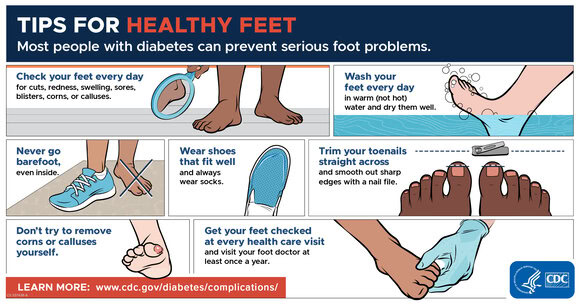
1. Daily, Meticulous Foot Inspections
Do not wait for pain to alert you to a problem. Because of neuropathy, you must rely on visual confirmation.
The Technique: Inspect the tops and bottoms of your feet, and crucially, between the toes. Use a hand mirror or ask a caregiver for assistance if you cannot see the bottoms of your feet.
What to Look For: Look for redness, increased warmth to the touch, swelling, new blisters, cuts, or calluses. Even a minor callus can harbor an ulcer underneath.
Immediate Action: If you notice any changes, contact a wound care specialist immediately. Early intervention is key.
2. Clinical Cleaning and Dressing Changes
Managing the “environment” of the wound is vital to keep bacteria out and promote tissue growth.
Follow the Prescription: Never deviate from the plan provided by your clinician. Only use the specific cleansers (often saline, not harsh chemicals like hydrogen peroxide) and dressings prescribed.
Maintain Sterility: Wash hands thoroughly before touching any supplies. Ensure the surrounding skin is cleaned gently.
Modern Wound Dressings: Today’s dressings do more than just cover a wound; they manage moisture levels (exudate), kill bacteria (silver-impregnated dressings), and promote healing. A standard adhesive bandage is rarely sufficient for a chronic diabetic wound.
3. Strict Glycemic Control to Support Healing
Your body cannot heal if your blood sugar is consistently high.
The Science: High blood glucose stiffens arteries and causes systemic inflammation, which impairs circulation. Furthermore, bacteria thrive on sugar; high glucose levels in your tissues provide an open invitation for infection to spread rapidly.
The Goal: Work closely with your endocrinologist or primary care physician to maintain stable blood glucose levels within your target range.
4. Pressure Offloading
You cannot heal a wound if you continue to walk on it.
The Necessity of Offloading: Pressure on a developing ulcer reduces blood flow further and pushes bacteria deeper into the tissue.
Clinical Solutions: Depending on the severity, this may require specialized diabetic therapeutic shoes, custom inserts, removable cast walkers, or total contact casting applied by a professional.
Signs of an Infected Diabetic Foot Ulcer
Even with the best care, infections can occur. Contact North Idaho Wound Care or seek immediate medical attention if you notice:
Pus or unusual drainage from the wound.
Foul odor.
Redness or red streaks spreading away from the wound (a sign of cellulitis).
Fever or chills (signs of a systemic infection).
The North Idaho Wound Care Advantage: Mobile Expertise
Managing a chronic wound is physically and emotionally taxing. Traveling to wound centers multiple times a week poses logistics challenges and exposes you to external pathogens.
North Idaho Wound Care offers a safer, more effective alternative. Our wound care specialists serve Coeur d’Alene, Post Falls, Hayden, and surrounding areas. We provide:
Comprehensive assessments in your home environment.
Surgical debridement (removal of dead tissue) when necessary.
Advanced modality treatments usually only found in hospitals.
Coordination with your primary care team.
By bringing hospital-grade care to your home, we empower you to heal faster and reduce the burden of chronic wound management.
Don’t risk the complications of an untreated or infected diabetic wound. Contact North Idaho Wound Care today to schedule an at-home consultation with our experts.