North Idaho Wound Care

Categories
Blog Diabetic Foot Care and Ulcer Treatment Home Wound Care Resources and Guides

Infection Prevention Strategies for Diabetic Foot Care

Diabetic Foot Care: Preventing Infection with Expert Guidance in North Idaho
June 23, 2026 By Jennifer Stallings, ARNP
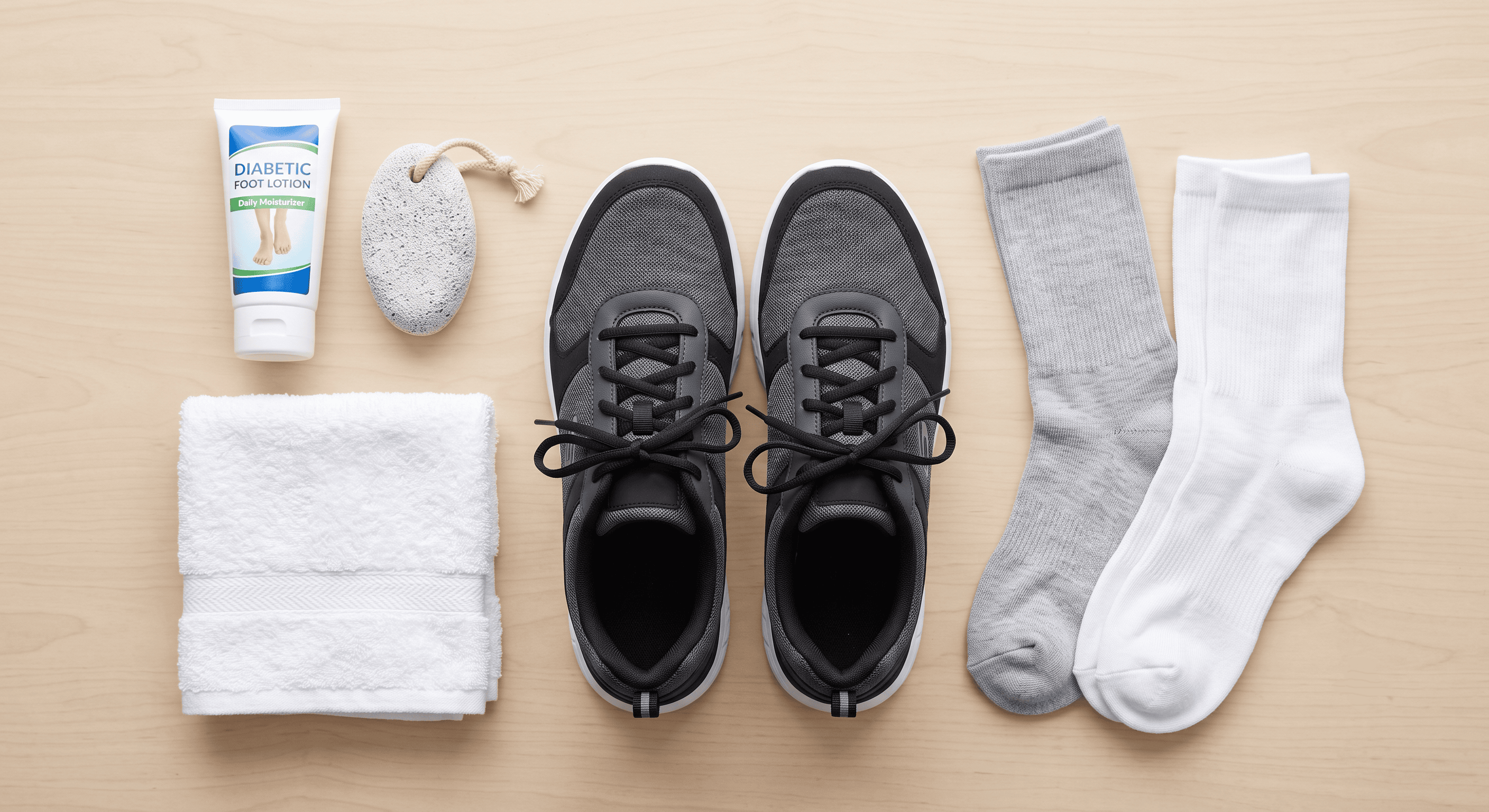
tools for diabetic foot care: a soft towel, a bottle of moisturizing lotion, seamless diabetic socks, a pumice stone, and a pair of well-fitting walking shoes.

For the millions of Americans living with diabetes, foot health is not merely a matter of comfort, it is a critical component of overall survival and quality of life. Preventing infections is the absolute cornerstone of effective diabetic foot care.

When you are managing chronic wounds, such as diabetic foot ulcers, within the comfort of your home, maintaining a sterile environment and adhering to a strict, evidence-based care regimen is essential. However, translating clinical instructions into daily home practice can be overwhelming.

North Idaho Wound Care bridges this gap. We bring professional clinical expertise and specialized wound care directly to your doorstep. By treating complex wounds at home, we not only provide convenience but also significantly reduce your exposure to resistant pathogens often found in traditional clinical settings, thereby lowering the risk of hospital-acquired infections.

Why Infection Prevention is Critical for Diabetics

Diabetes often causes two major complications that create a “perfect storm” for foot infections:

  • Peripheral Neuropathy: Nerve damage that causes numbness in the feet. You may develop a cut, blister, or ulcer and not feel it, allowing the wound to worsen unnoticed.
  • Peripheral Artery Disease (PAD): Poor circulation reduces the blood flow necessary for healing. Without adequate blood flow, the body cannot send immune cells to fight off bacteria effectively.

According to the American Podiatric Medical Association (APMA), a significant percentage of those who undergo amputation due to a diabetic foot ulcer pass away within five years. Preventing infection is the proactive way to prevent amputation.

Strategies for At-Home Infection Prevention

Successfully managing a diabetic wound at home requires vigilance and adherence to a strict protocol. Here are the essential strategies, enhanced by clinical best practices.
1. Daily, Meticulous Foot Inspections

Do not wait for pain to alert you to a problem. Because of neuropathy, you must rely on visual confirmation.

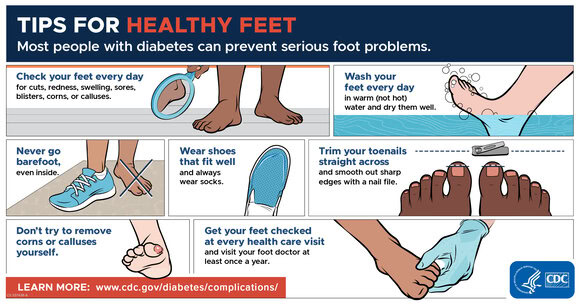
  • The Technique: Inspect the tops and bottoms of your feet, and crucially, between the toes. Use a hand mirror or ask a caregiver for assistance if you cannot see the bottoms of your feet.

  • What to Look For: Look for redness, increased warmth to the touch, swelling, new blisters, cuts, or calluses. Even a minor callus can harbor an ulcer underneath.

  • Immediate Action: If you notice any changes, contact a wound care specialist immediately. Early intervention is key.

2. Clinical Cleaning and Dressing Changes

Managing the “environment” of the wound is vital to keep bacteria out and promote tissue growth.

  • Follow the Prescription: Never deviate from the plan provided by your clinician. Only use the specific cleansers (often saline, not harsh chemicals like hydrogen peroxide) and dressings prescribed.

  • Maintain Sterility: Wash hands thoroughly before touching any supplies. Ensure the surrounding skin is cleaned gently.

  • Modern Wound Dressings: Today’s dressings do more than just cover a wound; they manage moisture levels (exudate), kill bacteria (silver-impregnated dressings), and promote healing. A standard adhesive bandage is rarely sufficient for a chronic diabetic wound.

3. Strict Glycemic Control to Support Healing

Your body cannot heal if your blood sugar is consistently high.

  • The Science: High blood glucose stiffens arteries and causes systemic inflammation, which impairs circulation. Furthermore, bacteria thrive on sugar; high glucose levels in your tissues provide an open invitation for infection to spread rapidly.

  • The Goal: Work closely with your endocrinologist or primary care physician to maintain stable blood glucose levels within your target range.

4. Pressure Offloading

You cannot heal a wound if you continue to walk on it.

  • The Necessity of Offloading: Pressure on a developing ulcer reduces blood flow further and pushes bacteria deeper into the tissue.

  • Clinical Solutions: Depending on the severity, this may require specialized diabetic therapeutic shoes, custom inserts, removable cast walkers, or total contact casting applied by a professional.

Signs of an Infected Diabetic Foot Ulcer

Even with the best care, infections can occur. Contact North Idaho Wound Care or seek immediate medical attention if you notice:

  • Pus or unusual drainage from the wound.

  • Foul odor.

  • Redness or red streaks spreading away from the wound (a sign of cellulitis).

  • Fever or chills (signs of a systemic infection).

The North Idaho Wound Care Advantage: Mobile Expertise

Managing a chronic wound is physically and emotionally taxing. Traveling to wound centers multiple times a week poses logistics challenges and exposes you to external pathogens.

North Idaho Wound Care offers a safer, more effective alternative. Our wound care specialists serve Coeur d’Alene, Post Falls, Hayden, and surrounding areas. We provide:

  • Comprehensive assessments in your home environment.

  • Surgical debridement (removal of dead tissue) when necessary.

  • Advanced modality treatments usually only found in hospitals.

  • Coordination with your primary care team.

By bringing hospital-grade care to your home, we empower you to heal faster and reduce the burden of chronic wound management.

Don’t risk the complications of an untreated or infected diabetic wound. Contact North Idaho Wound Care today to schedule an at-home consultation with our experts.
Categories
Blog Diabetic Foot Care and Ulcer Treatment Mobile Bedsore Treatment and Pressure Injury Care

Mobile Pressure Sore Treatment for Homebound Patients

Mobile Pressure Sore Treatment for Homebound Patients

Pressure injuries, often referred to as bedsores, require immediate and specialized attention to prevent progression, as untreated cases can lead to severe complications and prolonged suffering. Our dedicated mobile treatment team provides advanced care for homebound patients and those in assisted living facilities in Kootenai County, focusing on essential pressure relief and specialized wound healing protocols tailored to each individual’s needs. By utilizing the latest techniques and technology, we ensure that patients receive optimal care in the comfort of their own homes, promoting faster recovery and enhancing overall quality of life. We understand the importance of education and support for both patients and caregivers, which is why we also offer guidance on best practices to minimize the risk of future pressure injuries and improve skin health.

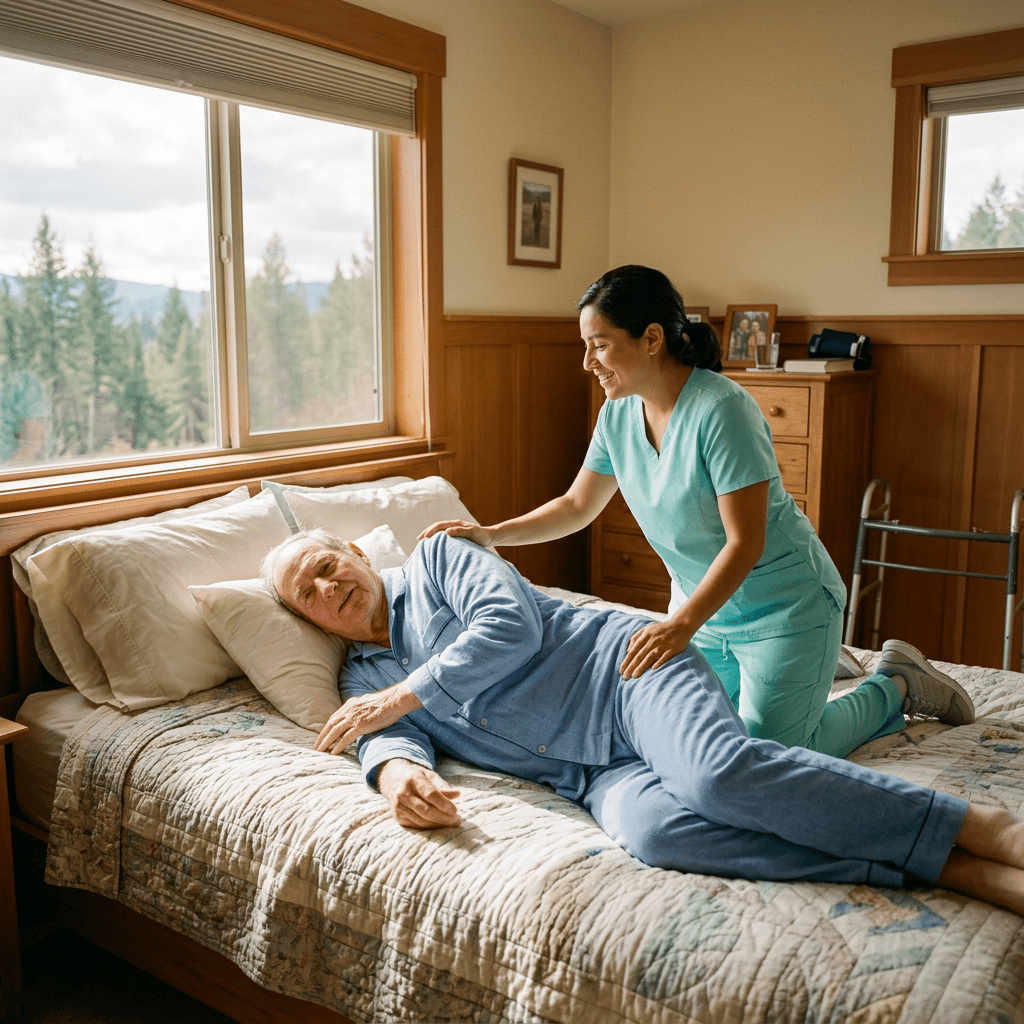
Home care nurse assisting elderly man lying on bed in bedroom with wooden paneling
A home care nurse helps an elderly man turn in bed in a cozy bedroom.

General Repositioning Guidelines

Time IntervalActivityPositionNotes
Every 1-2 HoursReposition patient in bedAlternate: Supine (back) 30° Lateral Tilt (sides)Never use a 90° side-lying position. Use pillows/wedges to support a gentle 30° tilt to keep pressure off the hip bones.
Continuous
(Whenever lying down)
Float/Elevate the heelsSupine or semi-Fowler’sHeels must remain suspended completely clear of the mattress. Place a pillow under the calves (avoiding the back of the knee) or use a rigid heel-suspension boot.
Every 15–60 MinutesShift weight / Reposition in chairSitting positionInstruct patients to shift their own weight every 15 mins if able. Assist dependent patients hourly. Limit continuous sitting to a maximum of 1–2 hours.
At Every Turn & DailyCheck skin conditionAny positionBriefly check skin with every turn. Look for persistent redness, discoloration, or warmth on bony areas. Conduct a formal, full-body skin assessment daily.
DailyCleanse and moisturize skinAny positionKeep skin clean, dry, and protected from moisture (sweat/incontinence). Apply barrier creams if needed, but never massage red or bony areas, as this causes deep tissue damage.

Ensure to document any changes in the patient’s condition and adjust the repositioning plan as necessary.

When elevating the head of the bed (HOB) to sit a patient up in bed, keep the angle at or below 30 degrees whenever medically possible. Exceeding 30 degrees causes the patient’s body to slide down, creating severe “shear force” that stretches and tears the delicate blood vessels in the sacrum and tailbone.


Categories
Blog Home Wound Care Resources and Guides Mobile Bedsore Treatment and Pressure Injury Care

Essential Caregiver Checklist for Chronic Wound Management

The Caregiver’s Guide to Chronic Wound Management at Home

Managing a loved one’s chronic wound is a profound responsibility. In home-based care, you aren’t just providing comfort—you are the frontline defense against complications.

For families across the Inland Northwest, establishing a structured, evidence-based routine is the key to preventing infections and promoting true cellular healing. This specialized checklist is designed to help caregivers in Coeur d’Alene, Spokane, and surrounding communities manage daily wound care tasks with clinical confidence.

Daily Caregiver Protocol: What to Assess and Track

Effective wound care relies on consistency and keen observation. Run through this checklist at every dressing change or daily evaluation.

Nutrition and Hydration: Healing from the Inside Out

1. Hygiene First

  • Sanitize: Always wash your hands thoroughly with soap and water for at least 20 seconds, and don clean, disposable gloves before touching the dressing or periwound area.

2. Evaluate the Dressing & Exudate (Drainage)

  • Volume: Note if the dressing is dry, partially moist, or completely saturated.

  • Color & Consistency: Look for changes. While clear or light-pink fluid is common, thick, yellow, or green drainage requires attention.

  • Odor: Distinct or foul odors immediately after removing the old dressing are a primary indicator of bacterial colonization.

3. Inspect the Periwound (Surrounding Skin)

  • Visual Check: Inspect the skin extending 2–3 inches around the wound bed.

  • Palpation: Gently feel the area. Note any localized heat, firm swelling (induration), or spreading redness (erythema).

4. Implement Mechanical Offloading (Pressure Relief)

  • Repositioning: If the wound is a pressure injury (bedsores), strictly adhere to a two-hour turning schedule for bed-bound individuals, or every 15 minutes for those sitting in chairs.

  • Support Surfaces: Utilize specialized pressure-redistribution mattresses or cushions to offload vulnerable bony prominences.

5. Clinical Documentation

  • Maintain a Wound Log: Keep a dedicated notebook or digital log. Document the date, a brief description of the wound bed, drainage levels, and the patient’s self-reported pain scores (on a scale of 1 to 10).

A wound cannot close without the proper biological building blocks. Systemic support is just as vital as top-down care. Ensure your loved one’s daily intake includes:

  • High-Quality Protein: Essential for tissue regeneration and cellular repair (e.g., lean meats, eggs, fish, or plant-based alternatives).

  • Vitamin C & Zinc: Critical micronutrients that drive collagen synthesis and boost immune function to fight off local pathogens.

  • Targeted Hydration: Unless restricted by a cardiologist or nephrologist, aim for adequate fluid intake to maintain skin elasticity and tissue perfusion.

Our specialized mobile team can provide tailored nutritional adjustments based on your loved one’s unique medical history and specific wound pathology.

Red Flag Symptoms

Contact a professional immediately if you observe any of the following systemic or localized signs of worsening infection:

  • A fever above 100.4°F (38°C) or sudden chills.

  • Redness or red streaks spreading outward from the wound edges.

  • A sudden, significant escalation in localized pain.

You don’t have to navigate this alone. Jennifer Stallings, ARNP, and the mobile clinical team at North Idaho Wound Care specialize in bringing advanced, evidence-based wound modalities directly to your home. We provide comprehensive, professional assessments and custom treatment plans for patients.

Request a Professional Caregiver Consultation

Take the guesswork out of healing. Contact our clinical coordination team today.

📞 Call (208) 518-9193

Categories
Mobile Bedsore Treatment and Pressure Injury Care Blog

Advanced Bedsore Care for Assisted Living Residents

Advanced Bedsore Care for Assisted Living Residents

June 23, 2026 By Jennifer Stallings, ARNP
Mobile bedsore care visit at an assisted living facility in North Idaho

Advanced Mobile Bedsore Care for North Idaho Seniors

Managing chronic wounds in a residential facility requires specialized attention. North Idaho Wound Care delivers expert mobile bedsore care and advanced pressure ulcer care directly to residents in Coeur d'Alene, Hayden, and Post Falls. Whether you need ongoing assisted living wound care for a resident or personalized pressure sore treatment at home, our nurse practitioners provide compassionate, bedside clinical management.

Why An Assisted Living Facility May Need Mobile Wound Support for Advanced Bedsore Care

Most assisted living facilities are staffed to assist with activities of daily living (ADLs), not complex, acute wound management. When a resident develops a deep pressure sore, families are often faced with the disruptive choice of transferring their loved one to a skilled nursing facility (SNF) or a hospital.

Mobile wound care bridges this gap. By integrating mobile wound care specialists directly into the resident's care plan, facilities can provide:

Bedside Surgical Debridement:
Removing devitalized tissue without a hospital trip.
Negative Pressure Wound Therapy (NPWT):
Managing specialized wound vacs in the resident's own room.
Tissue Analytics & Digital Tracking:
Providing the facility and families with weekly, measurable healing metrics.

Benefits to Assisted Living Administrators

Partnering with an on-site mobile wound care provider protects your facility's compliance standing and improves resident retention. It minimizes the physical trauma of transporting fragile seniors to outpatient clinics, reduces hospital readmission penalties, and ensures adherence to strict state healthcare regulations regarding skin integrity.

Need On-Site Wound Care for Your Facility?

Need On-Site Wound Care for Your Facility? Contact North Idaho Wound Care today to coordinate care with your nursing staff.

Need Expert Wound Care at Home?

Jennifer Stallings, ARNP brings advanced clinical wound care directly to your home across Northern Idaho and Eastern Washington. No travel, no waiting rooms—just professional care where you're most comfortable.

Categories
Leg Ulcer Care and Vascular Treatment Blog Mobile Bedsore Treatment and Pressure Injury Care

Bedridden and Healing: Mobile Pressure Ulcer Therapy in Post Falls

Bedridden and Healing: Mobile Pressure Ulcer Therapy in Post Falls

June 23, 2026 By Jennifer Stallings, ARNP
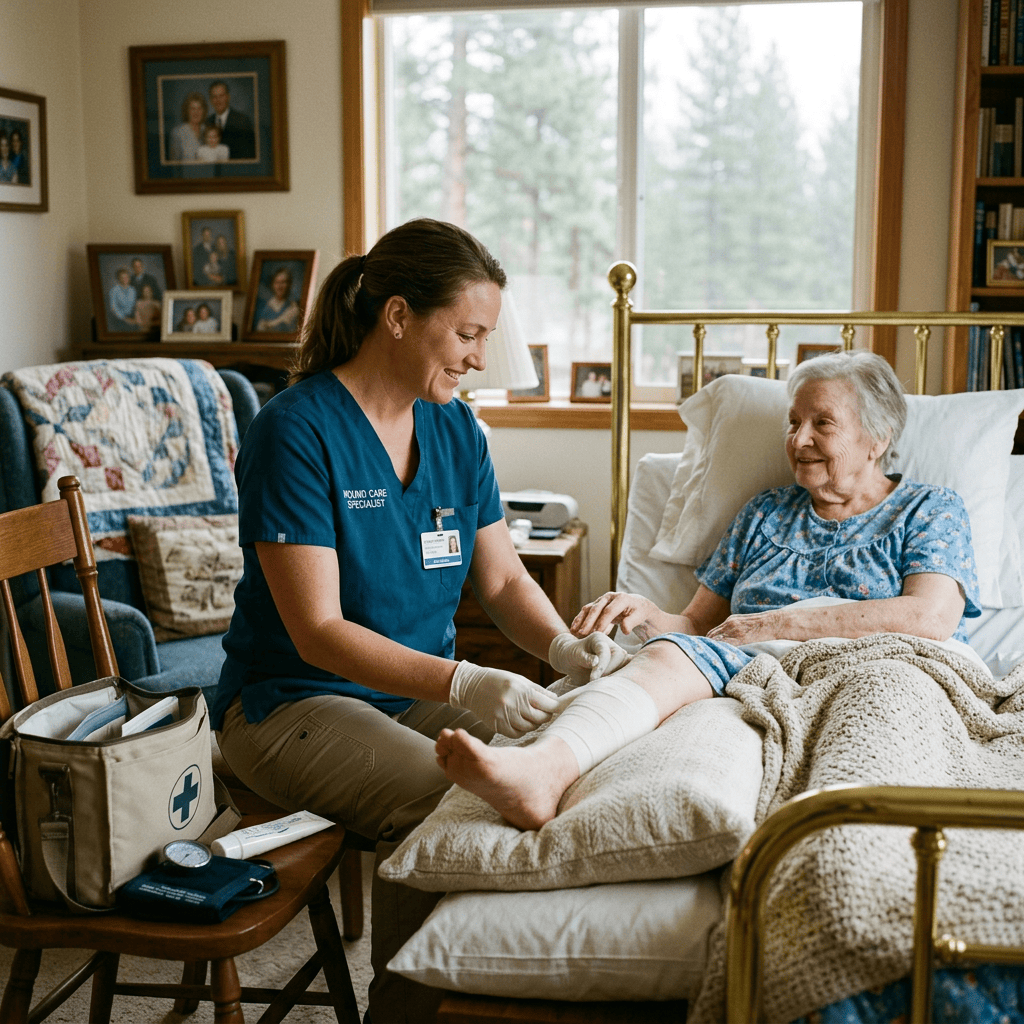
Wound care nurse bandaging elderly woman’s leg in bedroom

For bedridden or severely limited individuals, a trip to an outpatient wound clinic is more than an inconvenience, it can be a physically painful, logistically complex, and medically risky endeavor. Mobile pressure sore treatment eliminates the logistical nightmare of non-emergency medical transportation by bringing a full-service wound clinic directly to the patient’s bedside.

The Danger of Delayed Pressure Injury Treatment

When a patient is homebound, early-stage pressure sores (redness or minor blistering) can rapidly deteriorate into deep, infected tracking wounds. Without professional oversight, home caregivers may inadvertently use the wrong dressings, trapping bacteria or macerating the surrounding skin.

Our specialized mobile teams bring advanced modalities directly to Post Falls residents, including:

  • Advanced Dressing Selection: Utilizing silver-infused, alginate, or collagen dressings tailored to the wound’s moisture level.

  • Bio-Engineered Skin Substitutes: Applying cellular-based products to accelerate healing in stubborn wounds.

  • Environmental & Equipment Assessments: Evaluating pressure-relieving mattresses, wheelchair cushions, and patient positioning to eliminate the root cause of the injury.


By treating complex pressure ulcers in the comfort of home, we improve patient compliance, lower the risk of dangerous hospital-acquired infections, and give family caregivers the expert support they desperately need. Schedule a Bedside Consultation: If your loved one is struggling with a non-healing sore at home, call North Idaho Wound Care today.

Need Expert Wound Care at Home?

Jennifer Stallings, ARNP brings advanced clinical wound care directly to your home across Northern Idaho and Eastern Washington. No travel, no waiting rooms—just professional care where you're most comfortable.

Categories
Blog Leg Ulcer Care and Vascular Treatment Mobile Bedsore Treatment and Pressure Injury Care

Specialized Treatment for Venous Stasis Ulcers

Specialized Treatment for Venous Stasis Ulcers

June 23, 2026 By Jennifer Stallings, ARNP
North Idaho Mobile Wound Care - Wound Mobile

Venous stasis ulcers are a frustrating and painful reality for individuals suffering from chronic venous insufficiency (CVI). Unlike arterial sores, these ulcers typically present on the inner lower leg, exhibit irregular borders, and weep heavily. Healing them requires aggressive fluid management and specialized compression to counteract poor vein valve function.

The "Gold Standard" Protocol for Venous Ulcer Healing

To successfully close a venous stasis ulcer, the pooling fluid in the lower leg must be controlled. Our mobile wound care team delivers clinic-level, evidence-based protocols to patients without requiring them to leave home:

[Fluid Control] ➔ [Multi-Layer Compression] ➔ [Cellular Growth Support]

  • Multi-Layer Compression Wraps: Utilizing professional Unna boots or multi-layer bandage systems to assist veins in pumping blood back to the heart.

  • Advanced Exudate Management: Applying highly absorbent dressings (like foams or super-absorbents) to protect the surrounding skin from maceration.

  • Local Edema Management: Educating patients and families on proper elevation and skin hygiene techniques.


Because we treat patients in their own environment, we can directly assess their daily routine, monitor compliance with leg elevation, and adjust compression therapies in real-time, drastically shortening healing times for these stubborn lower-leg wounds.

Tired of Weeping, Painful Leg Swelling? Let North Idaho Wound Care bring the gold standard of venous care to your living room.

Need Expert Wound Care at Home?

Jennifer Stallings, ARNP brings advanced clinical wound care directly to your home across Northern Idaho and Eastern Washington. No travel, no waiting rooms—just professional care where you're most comfortable.

Categories
In Home Surgical Wound Care Blog Mobile Bedsore Treatment and Pressure Injury Care

Advanced Mobile Care for Slow-Healing Surgical Wounds

Advanced Mobile Care for Slow-Healing Surgical Wounds

June 23, 2026 By Jennifer Stallings, ARNP
a person with Slow-Healing Surgical Wounds getting his hand bandaged

When a surgical incision separates (dehiscence) or develops a localized infection, it completely halts the post-operative recovery process. For a patient already recovering from a major procedure, returning to a surgeon’s office or an outpatient clinic multiple times a week for painful packing changes is physically exhausting and logistically difficult.

Why Surgical Wounds Stall

Surgical wounds can fail to heal due to a variety of factors, including poor localized circulation, underlying diabetes, mechanical stress on the incision site, or bacterial biofilms. When a wound stalls, standard bandages are no longer enough.

Post-Op Interventions for Slow-Healing Surgical Wounds

Advanced mobile wound care brings specialized post-surgical healing directly to the patient's bedside, coordinating care with the primary surgeon. Our mobile services include:

  • Negative Pressure Wound Therapy (NPWT): Expert placement and management of “wound vacs” to draw wound edges together and stimulate granulation tissue.
  • Cellular- and Tissue-Based Products (CTPs): Utilizing advanced biological skin substitutes to jumpstart stalled healing cascades.
  • Bioburden Elimination: Actively managing and disrupting bacterial biofilms that cause post-op infections.

Our mobile team ensures a seamless, safe recovery process, reducing the risk of emergency room visits or repeat surgeries.

Struggling with a Complicated Surgical Incision? Avoid the hospital trip. Contact North Idaho Wound Care if you are experiencing Slow-Healing Surgical Wounds

Need Expert Wound Care at Home?

Jennifer Stallings, ARNP brings advanced clinical wound care directly to your home across Northern Idaho and Eastern Washington. No travel, no waiting rooms—just professional care where you're most comfortable.